T-Drill

T-DRILL SP-Series Tube End Spinning Machines

Compare SP-55 and SP-110 tube-end spinning for closed, reduced and expanded shapes. Prepare a drawing-led enquiry for your Malaysian production requirement.

Back to Spinning & End Forming ->
T-DRILL SP-Series Tube End Spinning Machines
T-DrillSP-Series

Product Overview

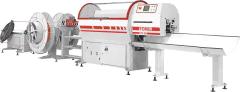
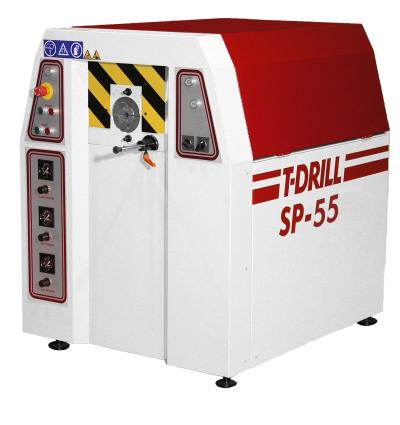
The T-DRILL SP-Series uses spinning to form closed, reduced and expanded tube ends. The supplied brochure presents SP-55 and SP-110 arrangements for copper and brass components, including long or complex tube shapes.

For a Malaysian workshop enquiry, the finished end shape is the main starting point. Send a dimensioned component drawing with material, wall thickness and quantity requirements so the model, forming tool and clamping arrangement can be reviewed together.

Key Specifications

Models in supplied brochure
SP-55 and SP-110
End shapes
Closing, reduction and expansion
Materials in brochure
Copper and brass
SP-55 maximum tube diameter in brochure
67 mm; confirm the selected component and tooling
SP-110 maximum tube diameter in brochure
108 mm; confirm the selected component and tooling
Selection requirement
Finished-end drawing, tube dimensions and workholding

Start with the final tube-end profile

Closed, reduced and expanded ends have different geometries and tooling requirements. The brochure identifies air-conditioning, cooling, solar-collector and mechanical-contracting components as examples of use. A buyer should therefore describe the intended component rather than enquire about a spinner from tube diameter alone.

  • Dimension the formed shape, length and transition profile.
  • Identify the required end condition and any mating component.
  • Show bends or other features that affect how the tube can be held.

Stationary workpiece and a rotating forming tool

The tube is fixed by clamp jaws while a rotating tool is fed against its end. Friction heats the end and the tool forms the required profile. The selected tool shape is therefore central to what the finished component will look like.

For long or complex parts, the component drawing also needs to explain support and loading. The machine, clamps and forming tool should be discussed as one proposed arrangement.

Compare SP-55 and SP-110 from the brochure data

The supplied brochure lists a maximum tube diameter of 67 mm for SP-55 and 108 mm for SP-110. These figures should be read with the material, wall-thickness and end-shape requirements, rather than inferred from the model number.

The same document gives further size and thickness information. Use the capacity for the actual proposed setup, and identify any component outside that documented range for a separate technical review.

Plan tooling for each component variant

A mixed production range can require more than one forming tool or clamping setup. List the end shapes, tube sizes and normal batch quantities across the component family. Include the required dimensional and inspection criteria for the formed ends.

For a Malaysian fabricator comparing repeat work with smaller batches, this gives a clearer basis for discussing changeovers and package scope. If flat closing is the only requirement, SPM-115 is also worth reviewing against the same component.

Prepare an SP-Series quotation request

Send the finished-end drawing and complete tube geometry to Logamweld, together with material grade, dimensions and production quantities. Include the Malaysian delivery location, intended working area and project timing.

Use your preferred contact channel for the Shah Alam team. Ask for confirmation of the proposed model, clamps, forming tools and any requested application evaluation or additional support scope.

Questions before you choose SP-Series

Can I choose the model from the SP-55 or SP-110 name?

Use the actual capacity data, material, thickness and forming requirement. The model designation alone is not a complete statement of the applicable tube dimensions.

Is every end shape produced with one universal tool?

The forming tool is selected around the required shape and tube specification. Send the whole component family so the proposed tools and clamps can be identified in the quotation.