T-Drill

T-DRILL SPM-115 Tube End Spinning Machine

Servo-controlled flat closing of copper and brass tube ends. Review the finished-end drawing, material and workholding for your Malaysian workshop.

Back to Spinning & End Forming ->
T-DRILL SPM-115 Tube End Spinning Machine
T-DrillSPM-115

Product Overview

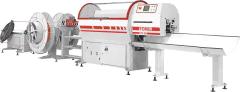
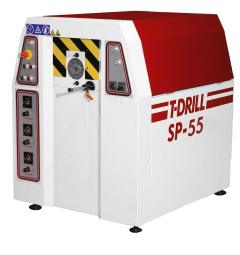
The T-DRILL SPM-115 is an automatic tube-end spinning machine designed for flat closing of copper and brass tubes. A rotating forming tool is fed against the clamped tube end, using frictional heat to form the closing shape.

For a Malaysian manufacturing enquiry, begin with the required finished end rather than the tube diameter alone. Material, wall thickness, tube shape and the way the part can be held determine the proposed tooling and machine arrangement.

Key Specifications

Process
Automatic flat closing by tube-end spinning
Materials in supplied brochure
Copper and brass; other materials require review
Tube-size range in brochure
8–115 mm; configuration conditions apply
Maximum wall thickness in brochure
3.4 mm; confirm against the actual component
Control
Servo-controlled forming sequence
Drive arrangement
Electric; brochure describes no hydraulic or pneumatic operation
Define the closed end and its intended function

SPM-115 is described for flat closing, rather than every possible tube-end profile. Supply a finished-end drawing that shows the closing shape, dimensions and how the component will be used. The internal and external requirements should be clear before a forming tool is proposed.

  • Identify the tube material and condition before forming.
  • Show the flat closure and any specified dimensional or surface requirement.
  • Include the complete component if it is long, bent or difficult to clamp.

How the spinning operation forms the end

After the tube is loaded and clamped, the rotating tool is fed against its end. Friction between the tool and tube creates heat and the end is formed flat. The machine uses a servo-controlled automatic sequence after the component has been positioned.

Tool shape, clamping and the tube specification belong in the same review. An automatic forming cycle does not remove the need to establish how each component will be loaded and located.

Program selection and changes between tube sizes

The brochure describes changing clamps for the tube size and selecting a program when the product changes. This is useful context when a workshop is comparing repeat production with a mixed component family.

List the normal tube sizes, materials and batch quantities. Identify the part differences that would require another clamp or forming tool, so the requested package can address actual changeovers rather than one demonstration component.

Use the documented material and size conditions

The supplied brochure gives an 8–115 mm tube-size range and a maximum wall thickness, and names copper and brass as the documented materials. Other materials need a specific review; they should not be assumed suitable because the diameter falls within the range.

Provide the finished-end drawing together with the tube dimensions. If the component has a specified inspection or acceptance requirement, include that in the enquiry so it can be addressed for the proposed setup.

Prepare an SPM-115 manufacturing enquiry

Send Logamweld the component drawing, material specification, tube dimensions and required end shape. Include batch sizes, the intended Malaysian workshop location, available electrical supply and handling space.

Choose your preferred channel to discuss the requirement with the Shah Alam team. Ask the quotation to identify the machine, clamps, forming tool and any requested component evaluation or additional project scope.

Questions before you choose SPM-115

Does SPM-115 cover reduction and expansion as well as flat closing?

Its supplied brochure describes flat closing. If you need reduced, expanded or other end shapes, include the drawing and compare the appropriate SP-Series or customised arrangement.

Can the stated process-time example be used as my production target?

The brochure says process time depends on the tube specification. Include your actual component and loading requirements for a meaningful output review.